Digital Six February 16, 2026
A kitchen renovation is one of the largest investments you’ll make in your home. Yet most people begin the process focused on finishes, layouts and appliances, while overlooking the one factor that determines whether they’ll be renovating again in a decade.
Longevity.
Before embarking on a kitchen renovation, there are five considerations that matter far more than chasing a lower upfront cost.
1. Longevity Over Trend
Trends date quickly. Well-designed kitchens do not.
Australian designers consistently stress that kitchens should be designed to age gracefully, not peak on installation day. Materials, finishes and fixtures that endure daily use for decades deliver far greater value than those selected purely for visual impact.
As designer Chris Rak notes:
“We have a strong belief that every home should be designed for generations to come, using honest materials that age gracefully over time.”
Longevity is not conservative or boring. It is considered.
2. Warranty Is a Signal of True Quality
A long warranty is not generous. It is deliberate.
Manufacturers do not offer extended warranties unless they are confident in materials, engineering and workmanship. Many kitchen components carry warranties of one to five years. That is a fraction of the life you expect from a premium kitchen.
A product backed for decades is designed to perform for decades.
3. Replacement Costs More Than the Product
Saving upfront often means spending again.
Replacing a failed fitting or appliance is rarely just the cost of the item. It includes labour, disruption, potential cabinetry damage and reinstall costs. Designers regularly cite premature replacement as one of the most expensive renovation mistakes homeowners make.
The true cost is not what you buy. It is what you have to buy twice.
4. Kitchens Are High-Stress Environments
Kitchens are not static spaces.
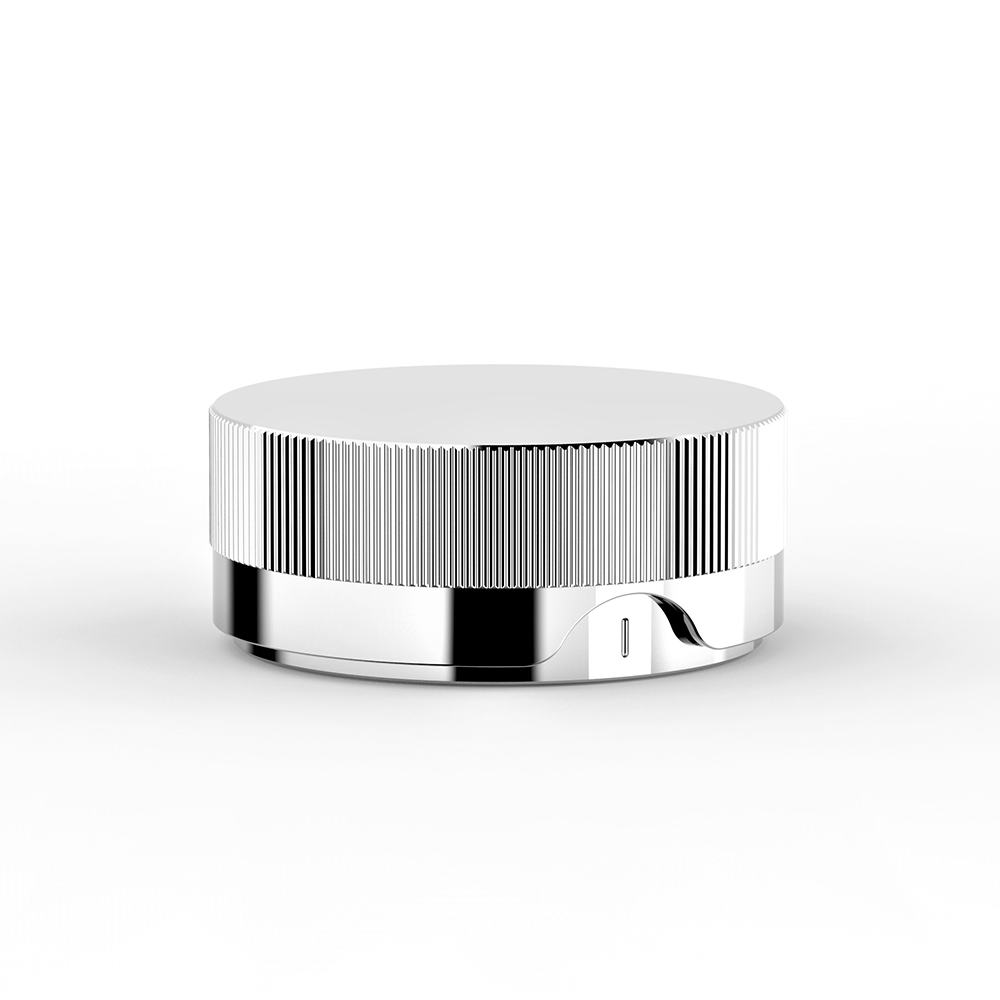
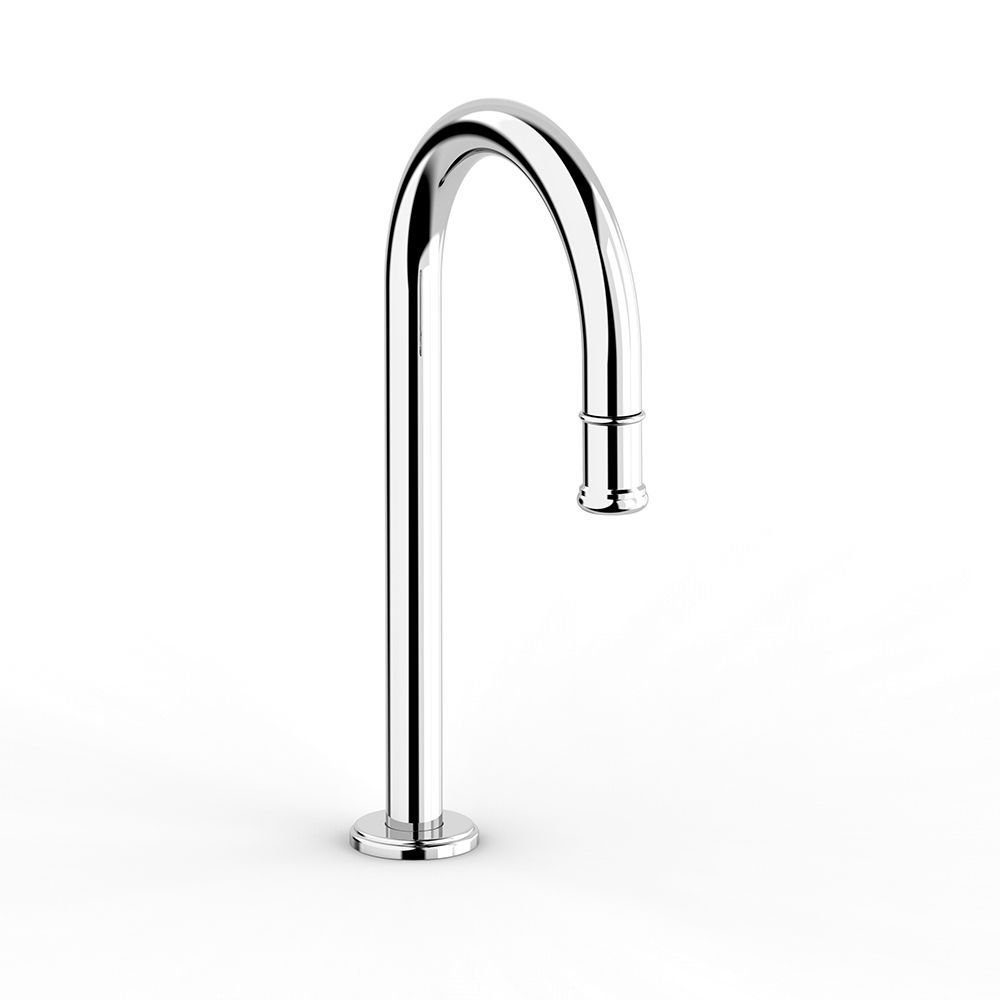
Tapware, hardware and appliances are used multiple times a day, every day. Architects often note that mechanical components fail first when quality is compromised. Products designed and warranted for long-term use recognise this reality.
Durability is revealed over time, not on day one.
5. Warranty Protects Design Integrity
When core components fail early, design intent suffers.
Replacements rarely match original finishes or performance. Premium designers recommend choosing products that will still be supported decades later, not discontinued within a few years.
Warranty is what protects the integrity of the original design.
The Question to Ask Before You Renovate
Not “how much does this cost?” But “how long before this needs to be replaced?”
In high-end kitchens, value is not defined by initial spend. It is defined by how rarely you need to think about it again.
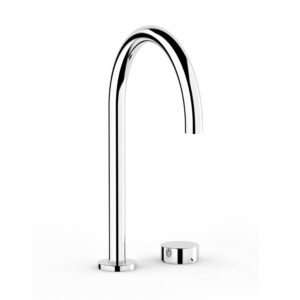
At Faucet Strommen, our 40-year warranty reflects a simple philosophy: products should last as long as the spaces they’re designed for.